Frequently Asked Questions
-
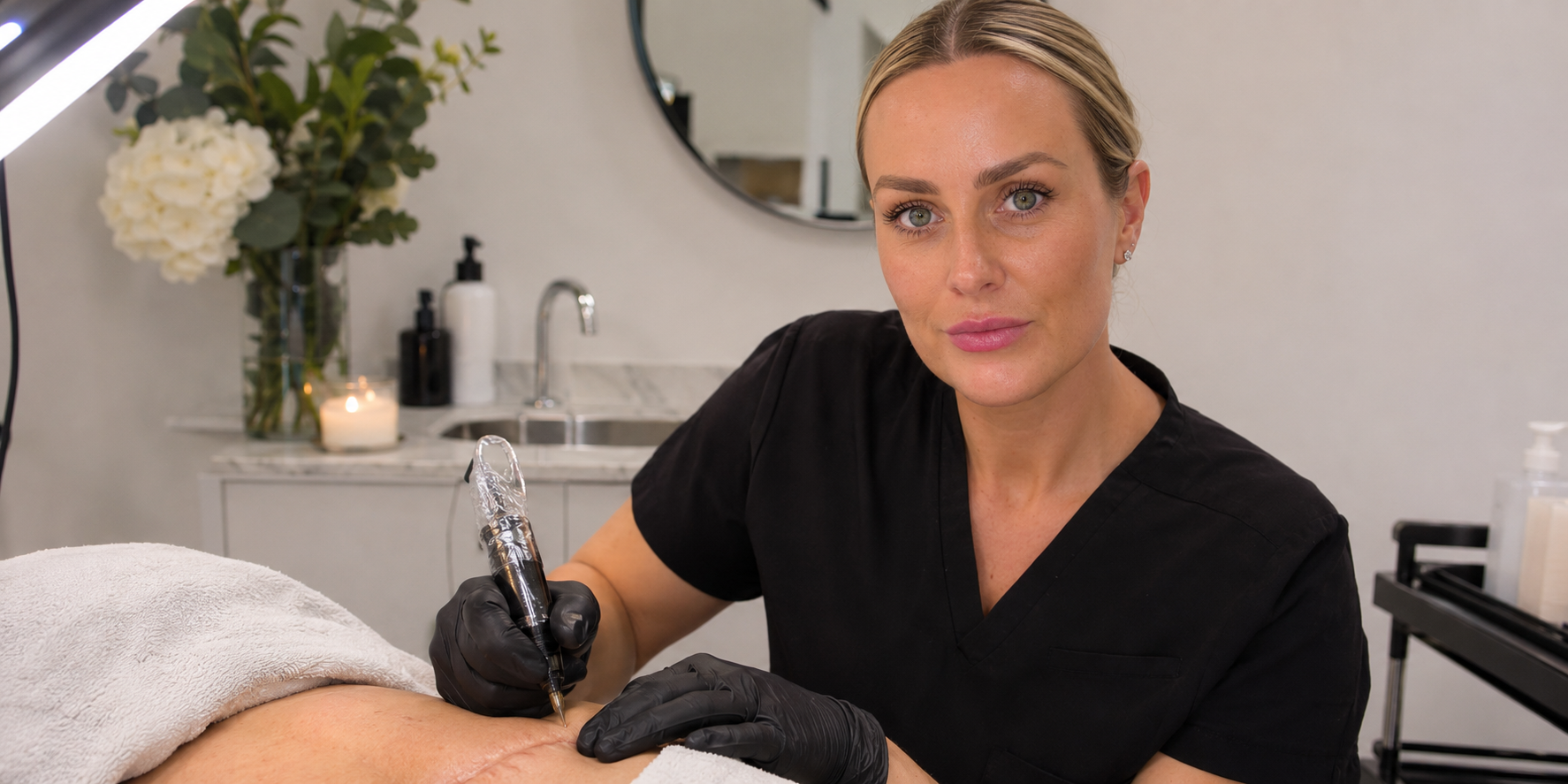
Treatment requirements vary depending on your skin, the area being treated and your individual goals. Inkless scar and stretch mark revision commonly involves 3–6 sessions, generally spaced 6–12 weeks apart. Your treatment plan will be discussed during your consultation.
-
Scars generally need to be fully healed and mature before camouflage tattooing, commonly around 12 months. Suitability for inkless revision is assessed individually based on the scar's healing, stability and characteristics.
-
No. Our aim is to improve the appearance of scars and stretch marks where possible, using techniques selected according to your skin's individual needs.
-
Treatment pricing depends on the size, complexity and characteristics of the area being treated. During your complimentary consultation, we'll discuss your recommended treatment plan and provide an individual quote. Afterpay is available.
-
Depending on the scar's characteristics and maturity, we may be able to treat:
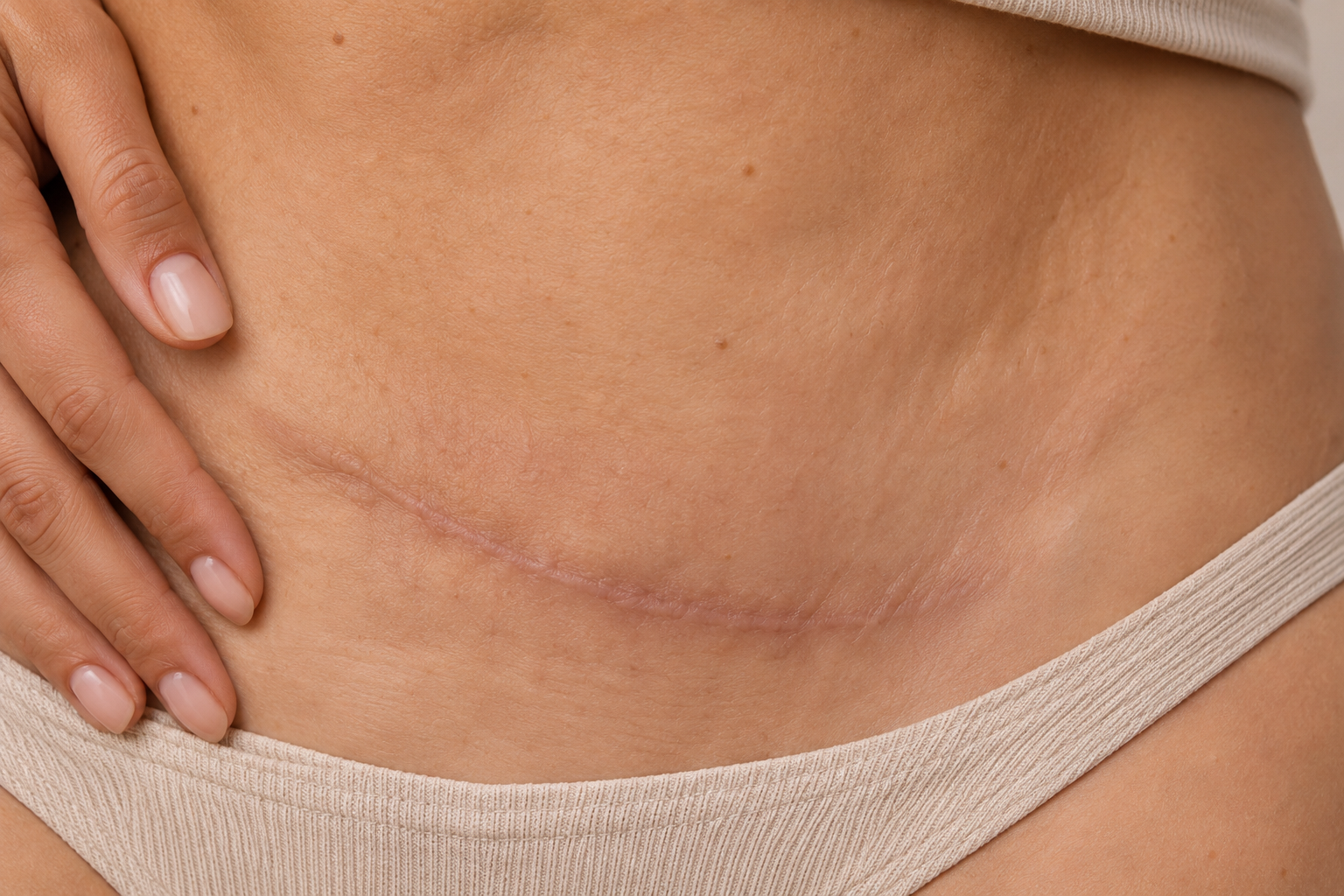
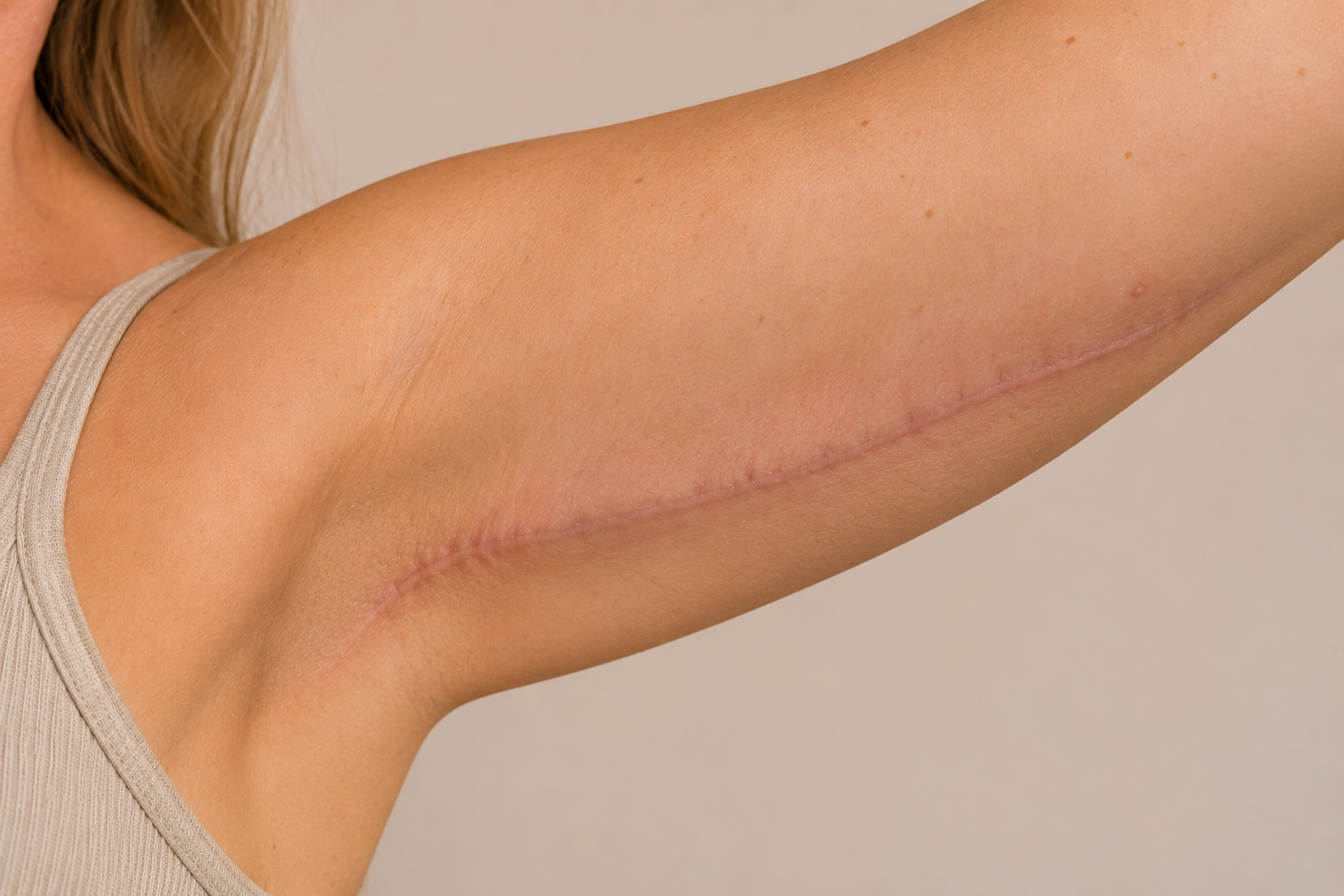
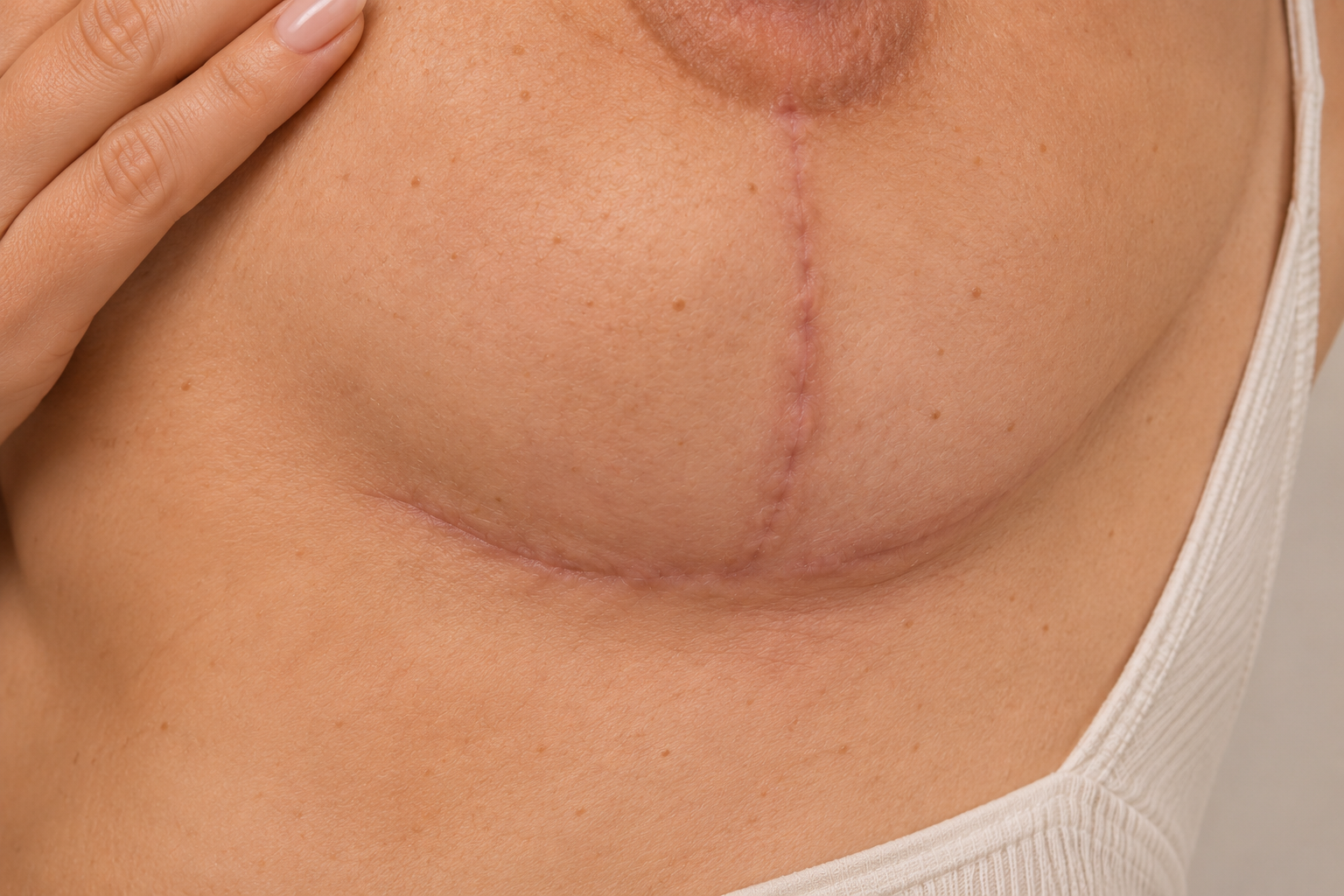
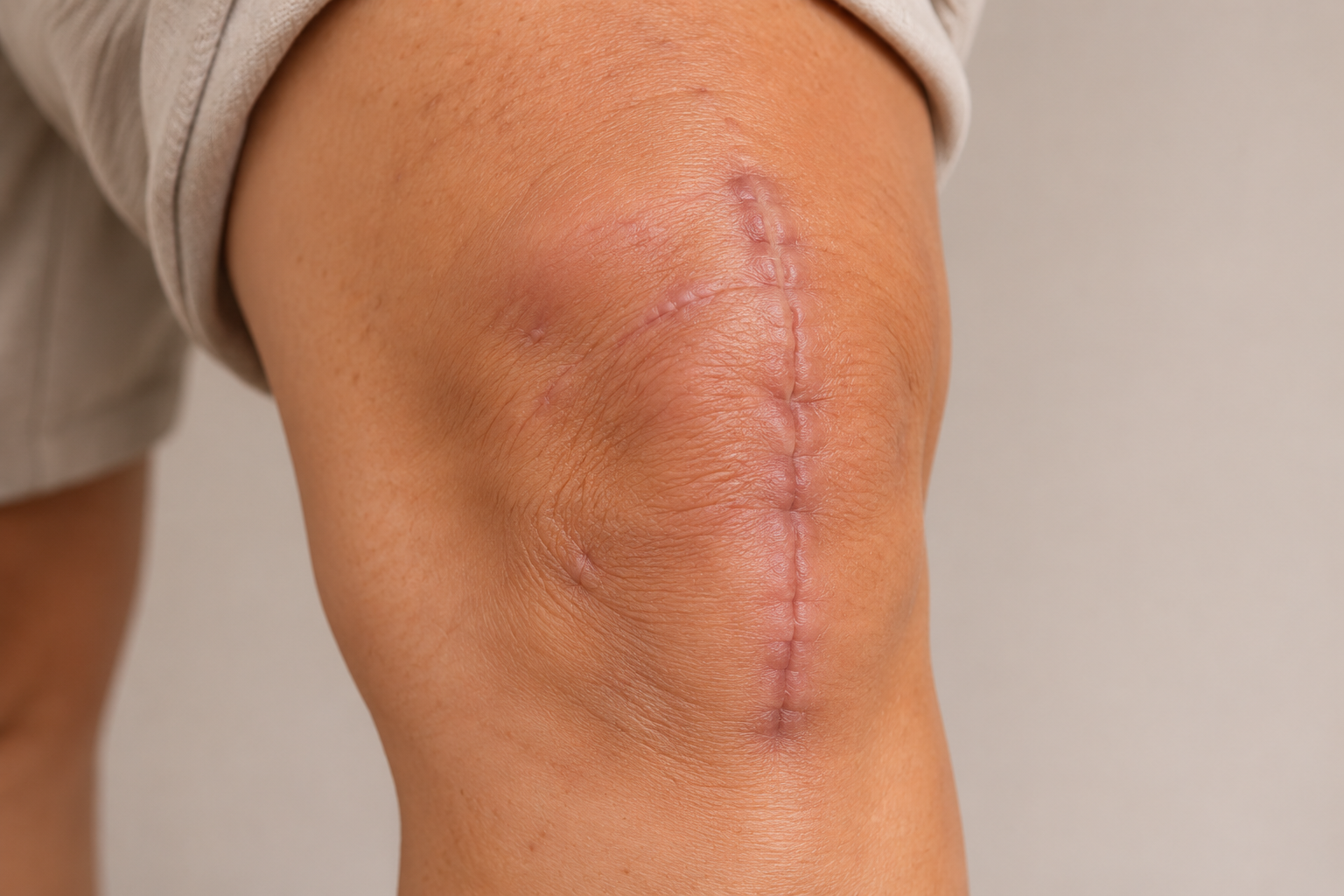
Surgical scars: Including caesarean sections, tummy tucks, breast surgery, spinal surgery and other surgical procedures.
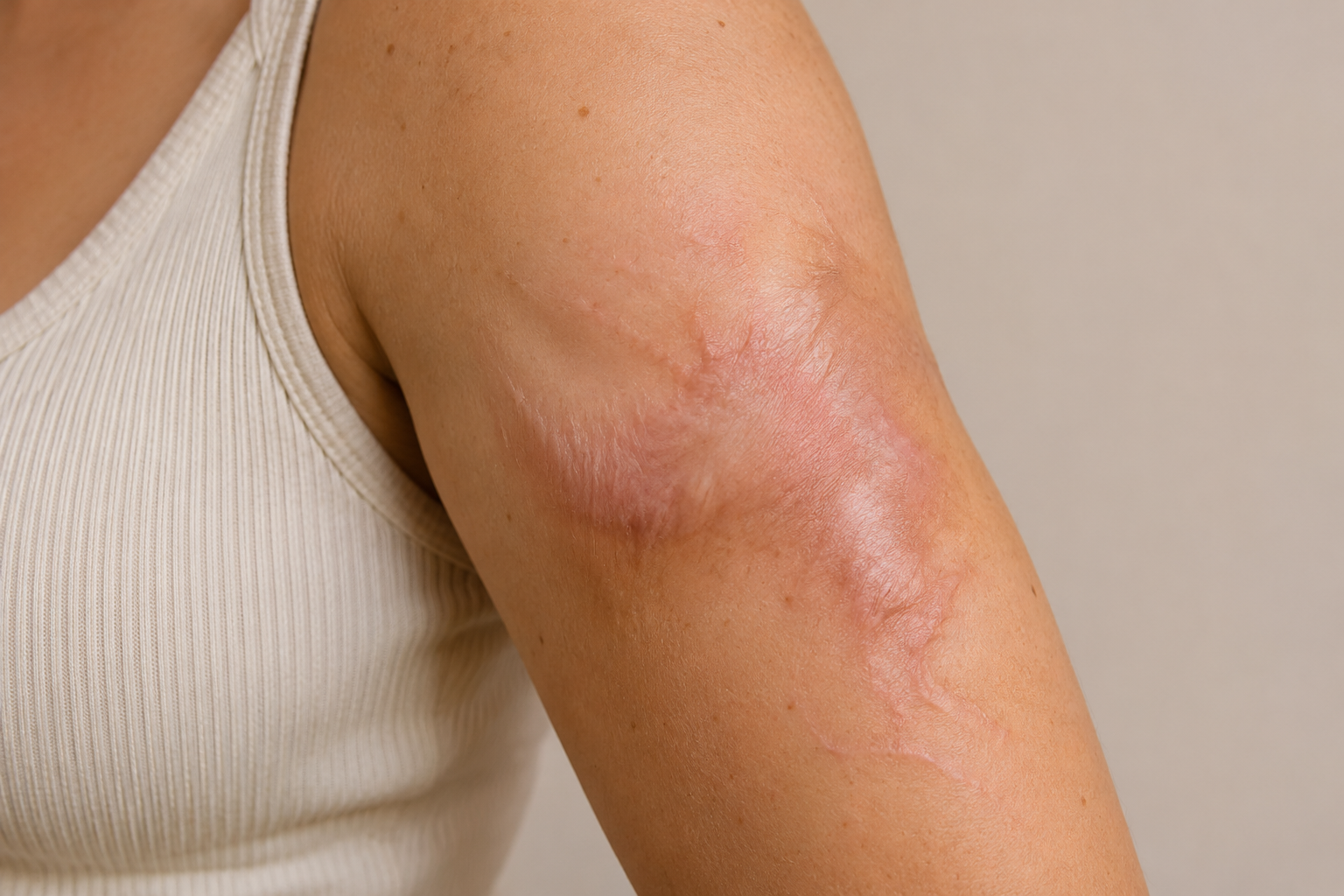
Injury and trauma scars: Scarring caused by accidents, cuts, lacerations and other skin injuries.
Burn scars: Selected healed burn scars, depending on their depth, texture and stability.
Acne scars: Certain types of atrophic (indented) acne scarring.
Stretch marks: Including those associated with pregnancy, growth, weight fluctuations and changes in body composition.
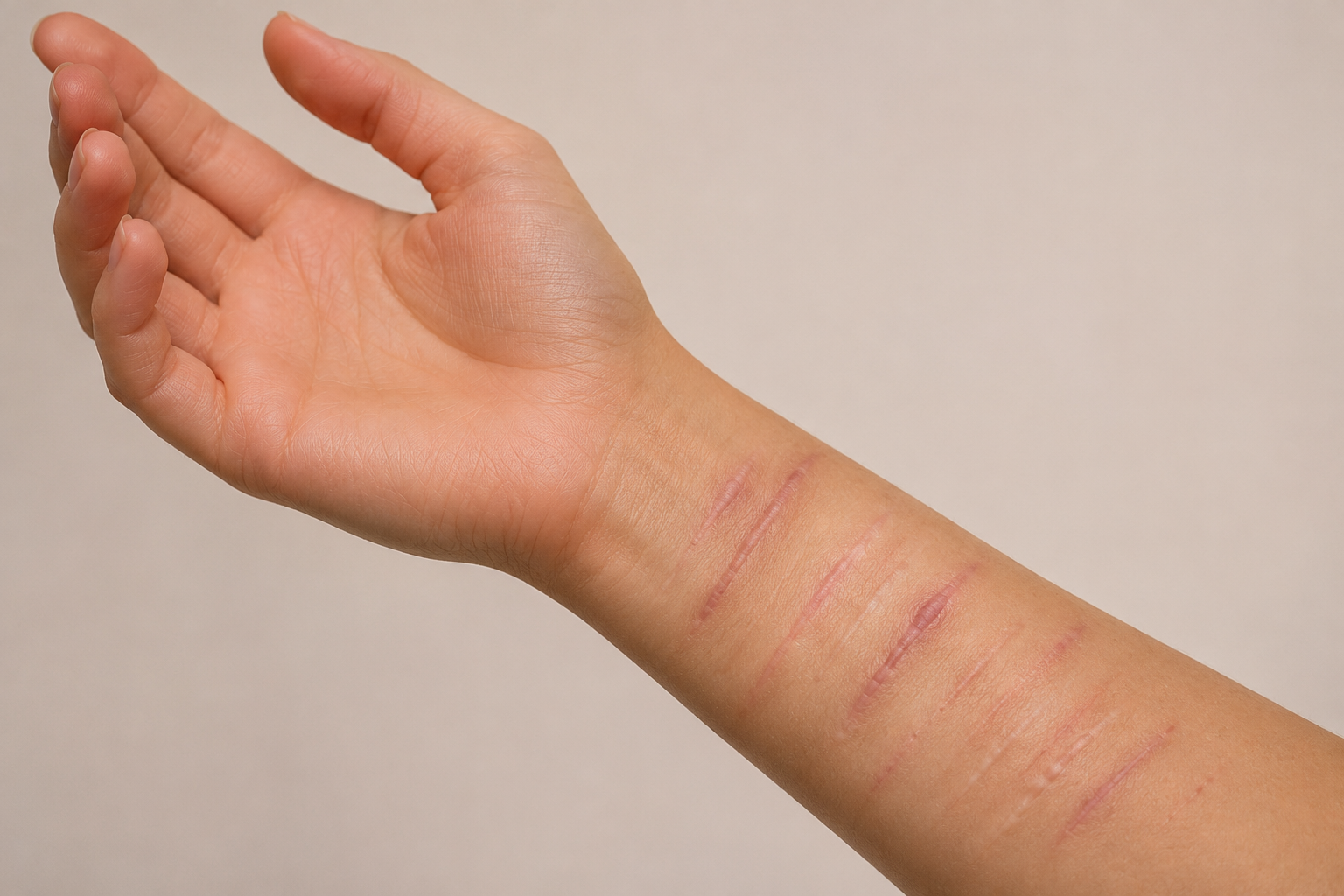
Self-harm scars: Mature, fully healed scars, assessed individually with sensitivity and discretion.
Not all scars are suitable for every treatment. Inkless scar revision may be considered for selected textural concerns, while scar camouflage tattooing is generally best suited to mature, lighter-coloured scars where the primary concern is colour difference.
-
Yes. At Revision Dermal, client safety is our priority. Certain medical conditions, medications and skin concerns may affect your suitability for treatment.
Depending on the procedure, contraindications or reasons to postpone treatment may include:
Active skin infections or inflammation: Including open wounds, active infections or irritation in the treatment area.
Immature or unstable scars: Scars that are still healing, changing in appearance or showing signs of abnormal scar formation.
Keloid scarring: A personal history of keloids may increase the risk of further abnormal scarring following skin needling or tattooing.
Pregnancy or breastfeeding: Certain elective treatments may be postponed as a precaution, depending on the procedure and individual circumstances.
Medical conditions affecting healing: Including poorly controlled diabetes, immune suppression or conditions that impair wound healing.
Certain medications: Including anticoagulants, immunosuppressants and some acne medications, which may require additional assessment or medical clearance.
Recent skin treatments: Including certain laser procedures, chemical peels or other treatments that may leave the skin temporarily compromised.
Contraindications vary between inkless scar revision, camouflage tattooing, hair density treatments and facial manual lymphatic drainage.
Every client undergoes an individual consultation and medical history assessment to determine treatment suitability. Where necessary, medical clearance may be requested, or an alternative approach recommended.
Our priority is to provide safe, appropriate and evidence-informed treatments tailored to your individual circumstances.