Personalised Treatments
-
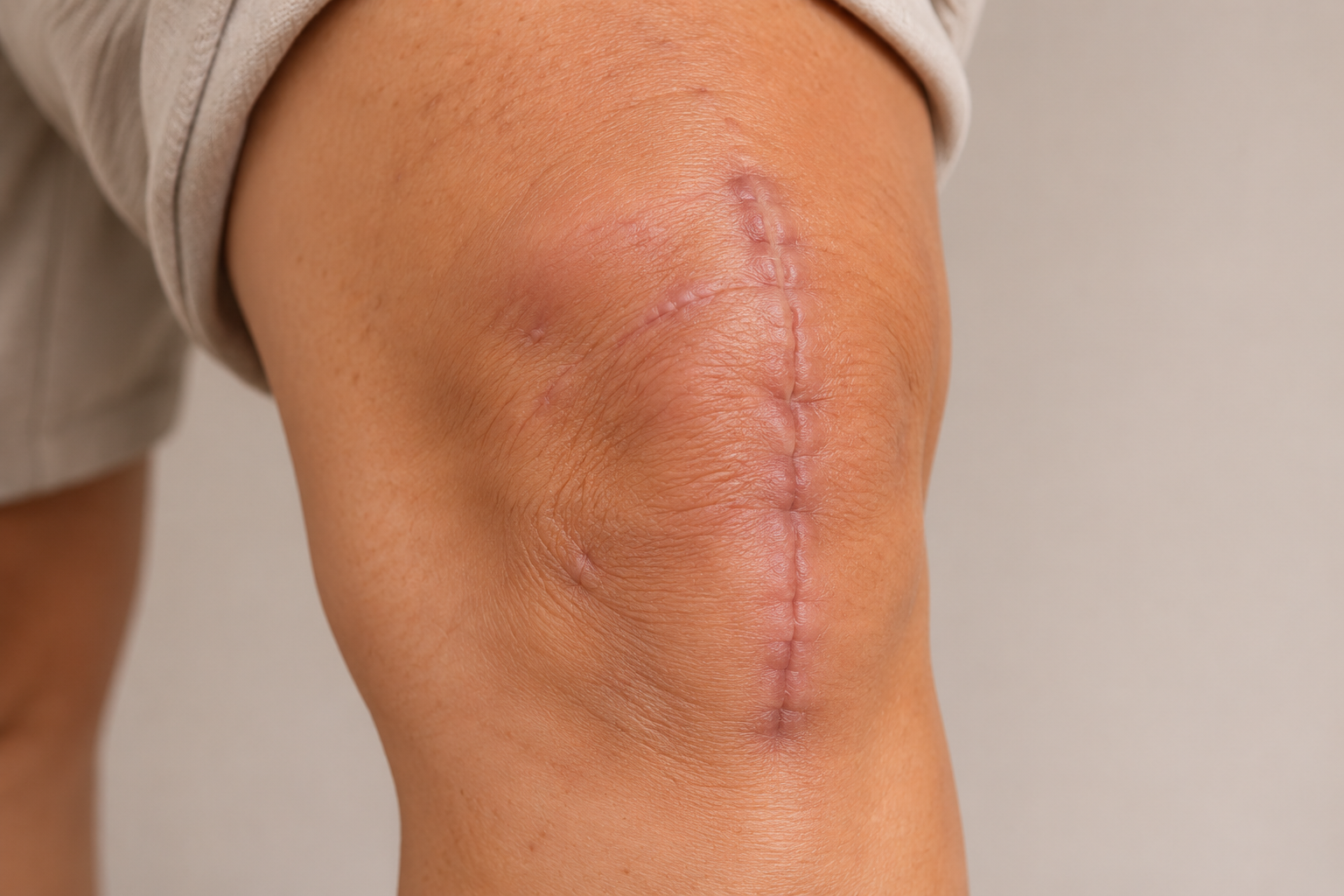
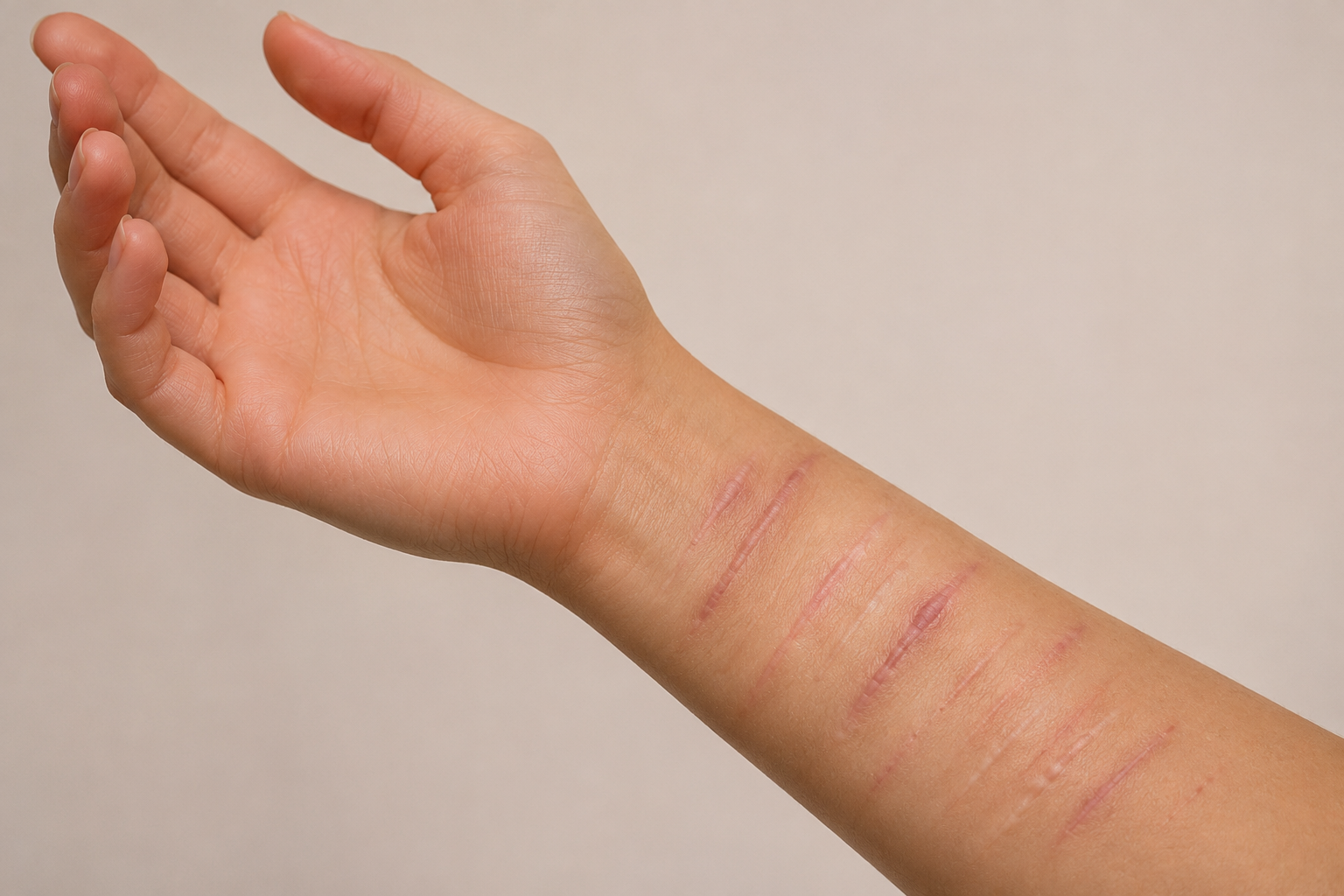
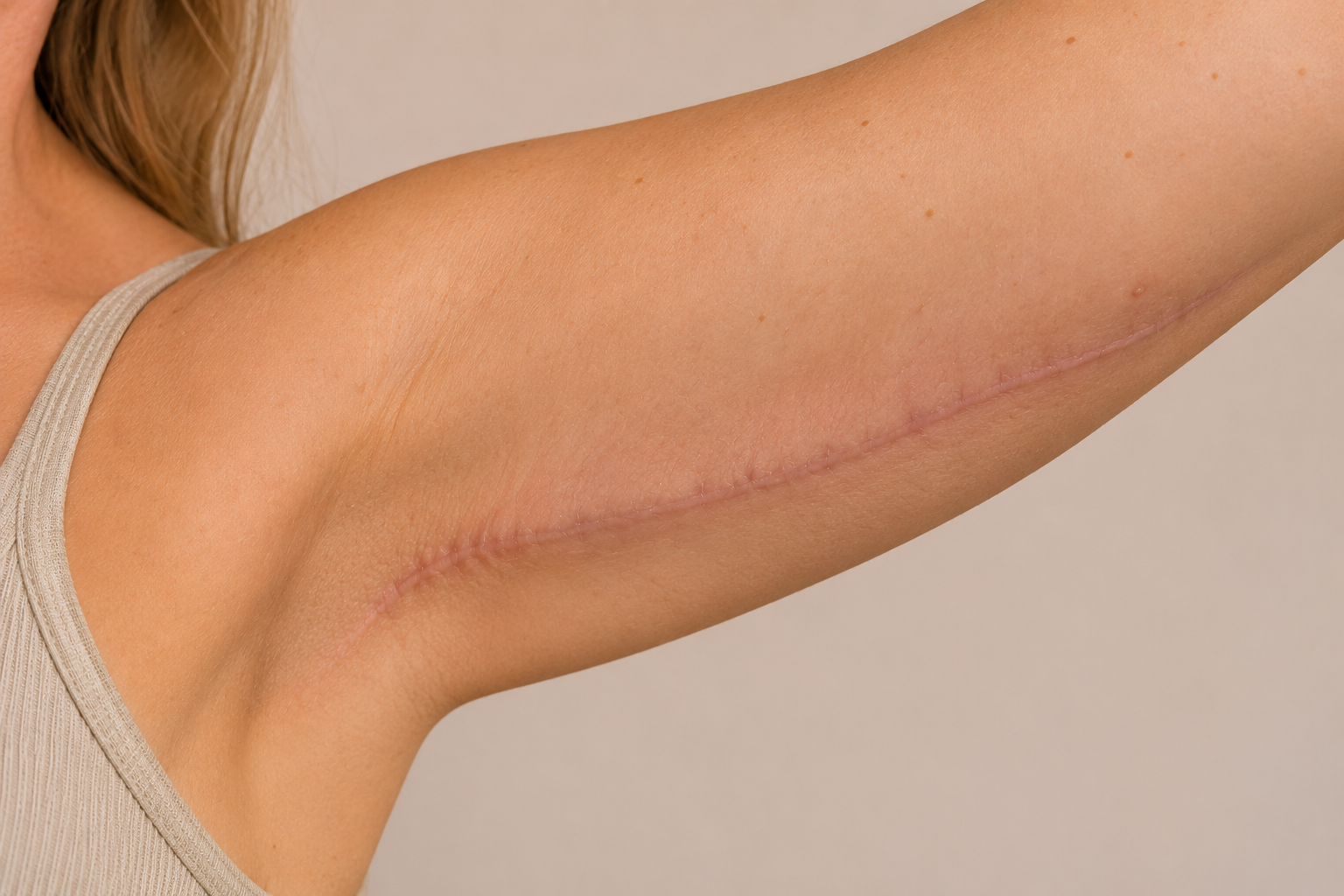
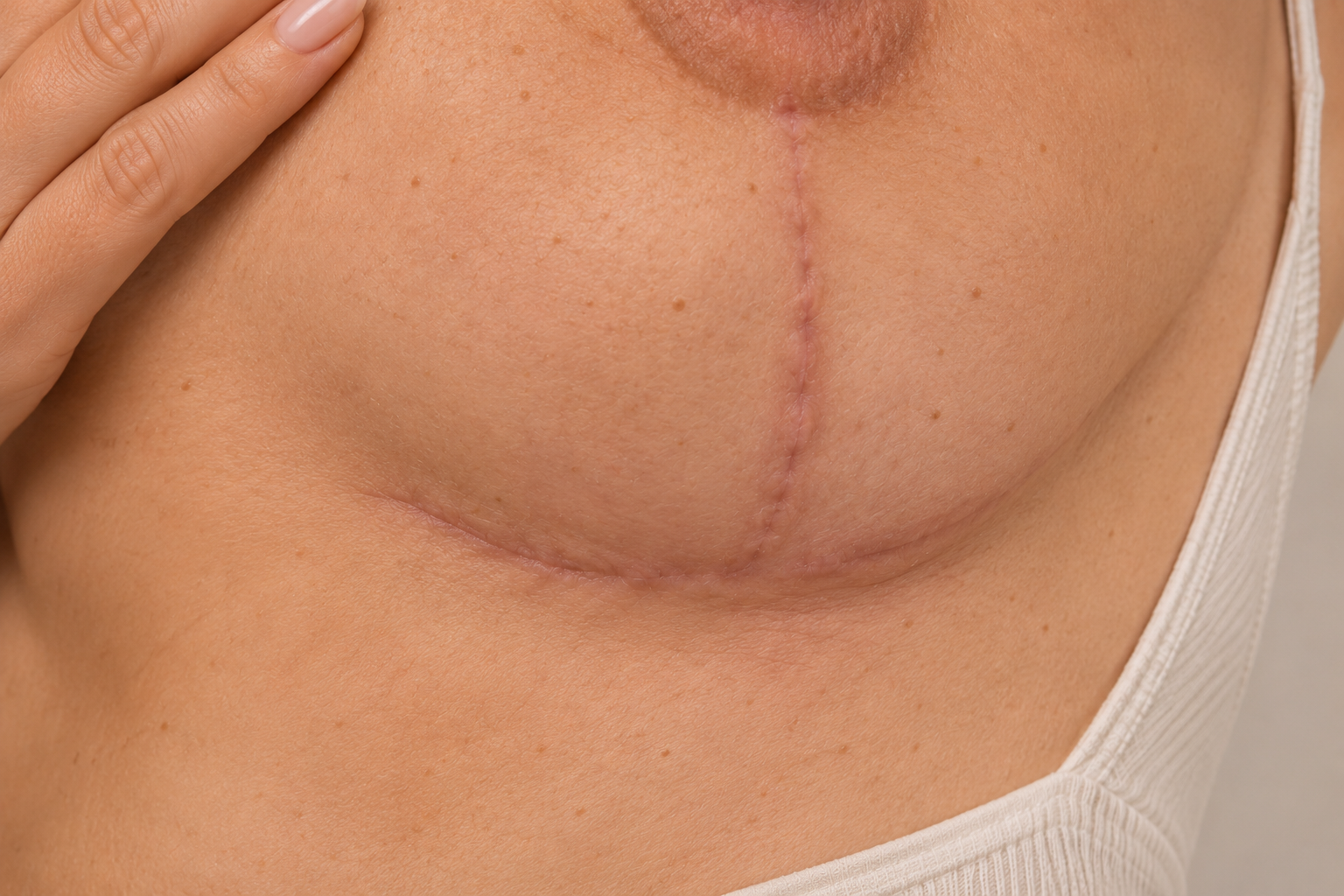
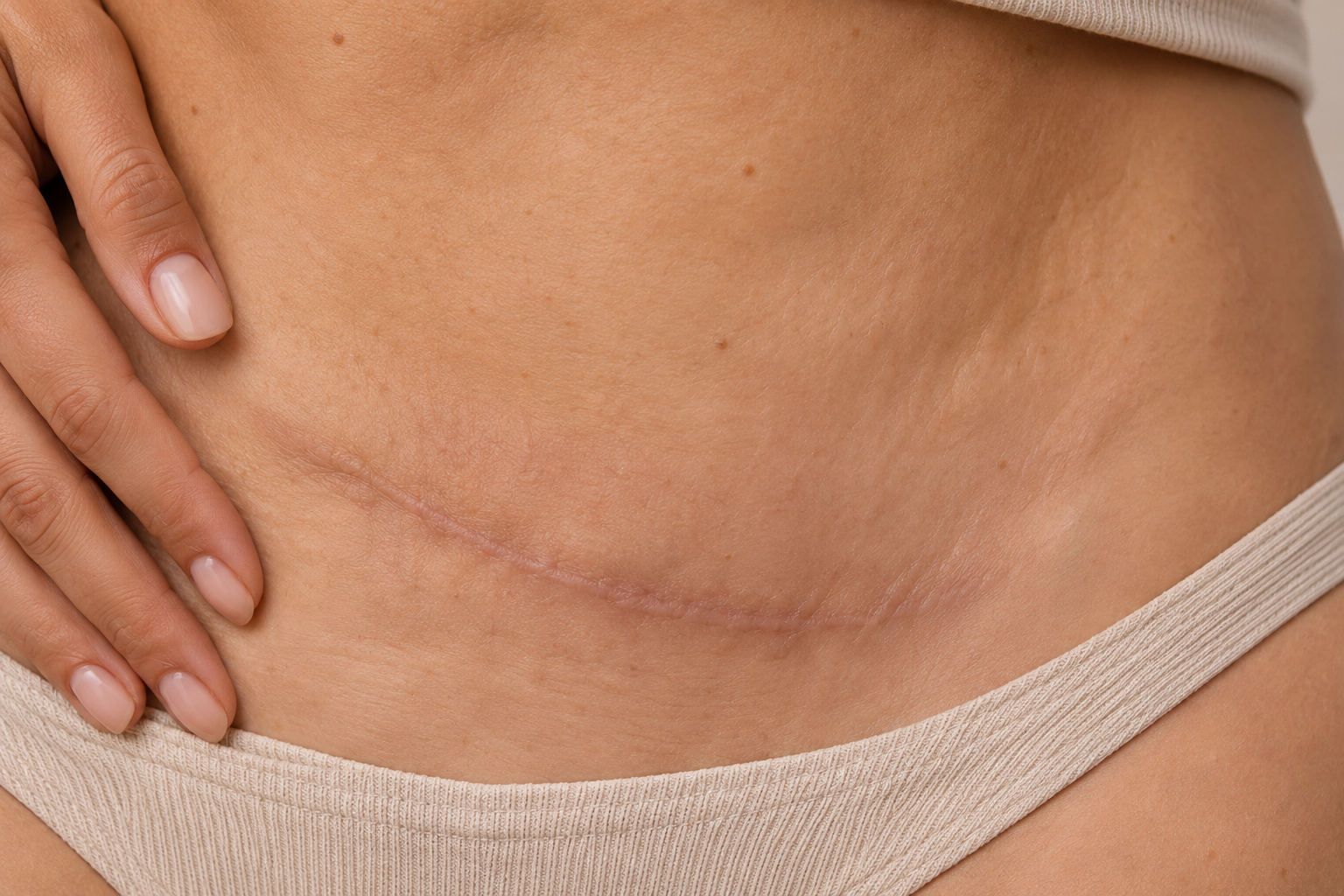
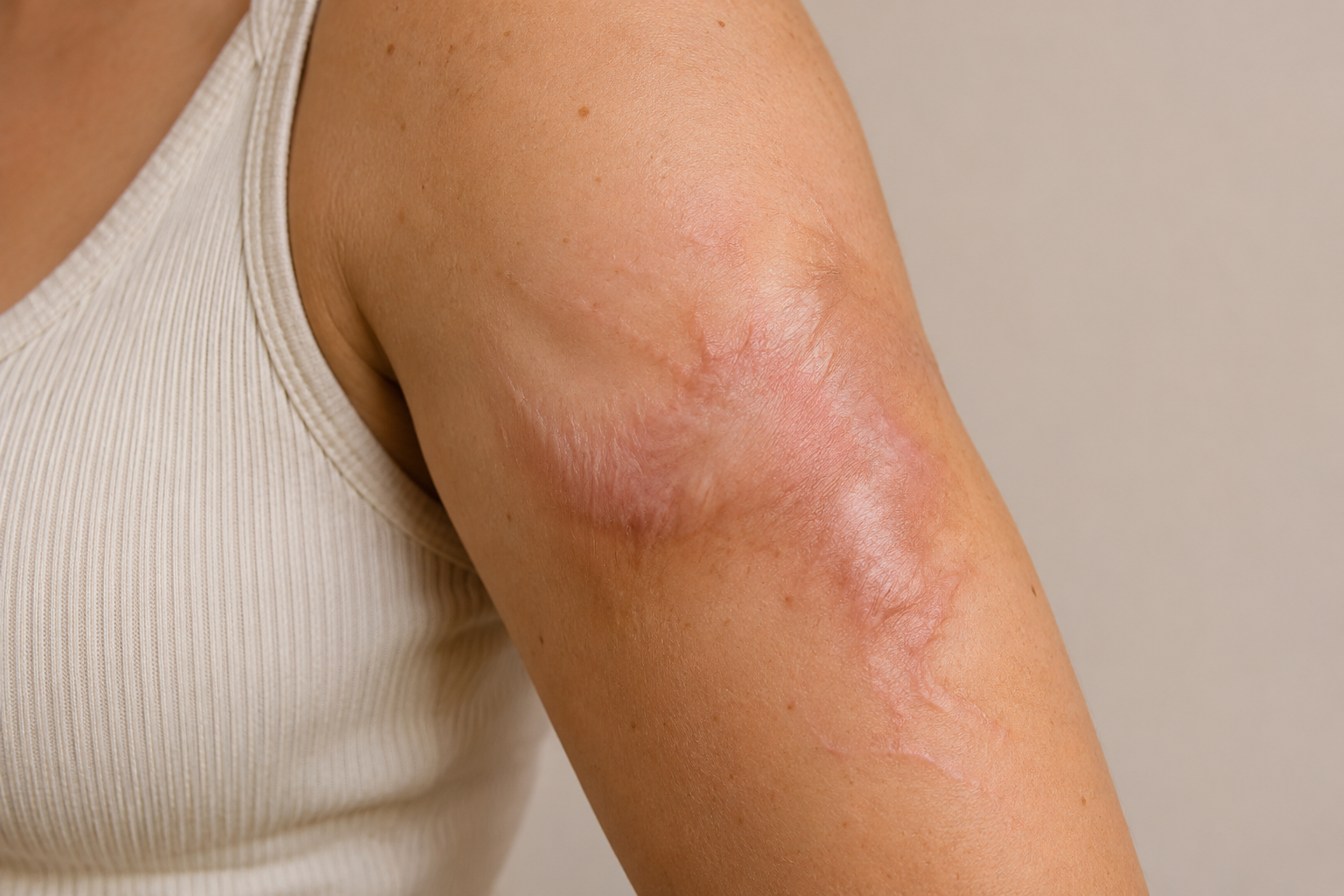
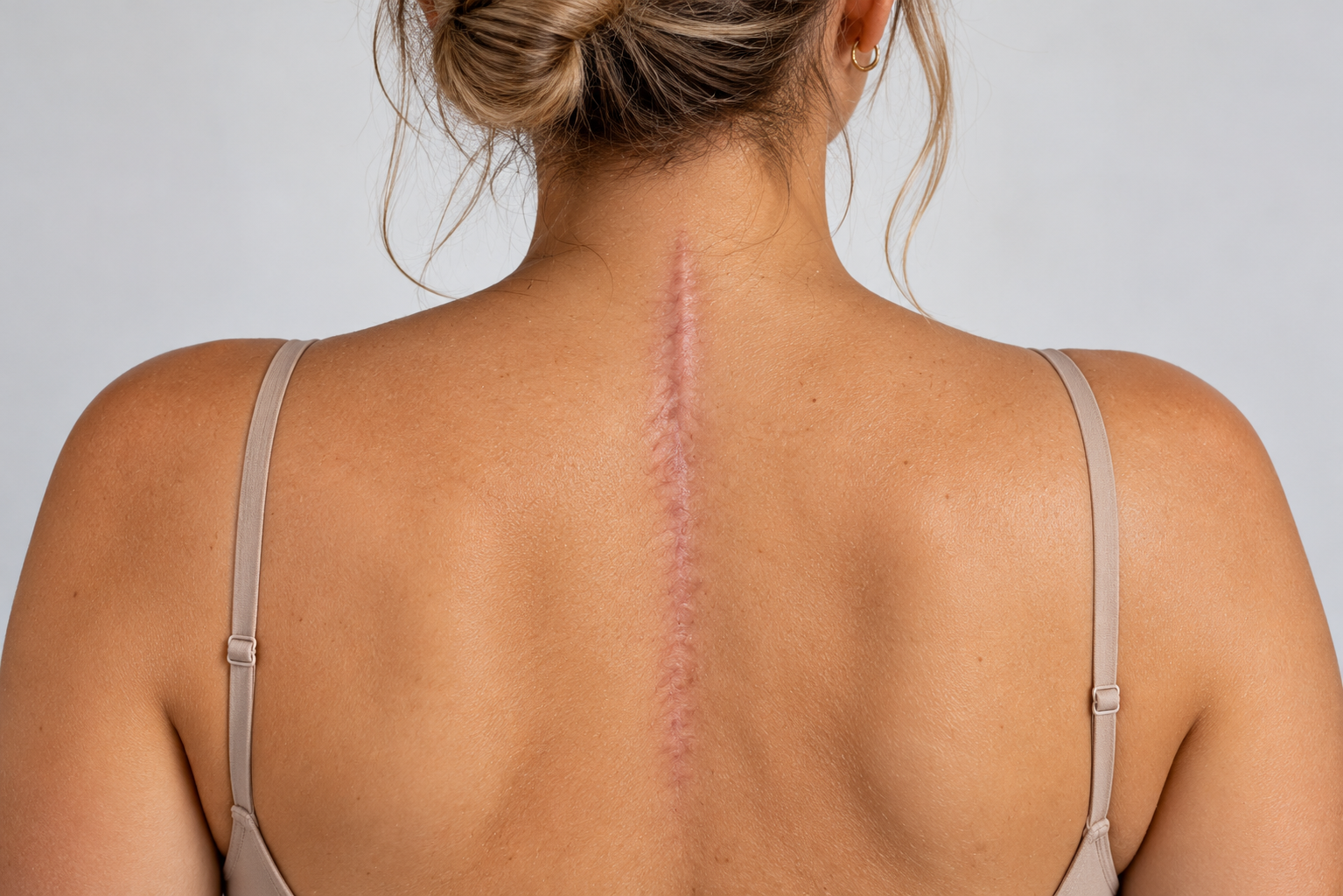
Scar Camouflage Tattooing is a specialised paramedical tattooing treatment designed to minimise the appearance of scars by carefully blending their colour with the surrounding natural skin tone.
Using advanced colour-matching techniques and carefully selected skin-tone pigments, this treatment aims to reduce the contrast between scar tissue and surrounding skin, creating a more even, natural-looking appearance.
This technique is particularly beneficial for mature, lighter-coloured scars that have healed following surgery, injury or trauma.
Our philosophy is not to erase your scars, but to help them blend more naturally with your skin.
Scar camouflage does not remove scar tissue or correct its underlying texture. Scars generally need to be fully healed and mature, typically 12+ months old, before treatment. Multiple sessions may be required, and results vary depending on individual skin and scar characteristics.
Our focus is on subtle, natural-looking improvements that help you feel more comfortable and confident in your skin.
-
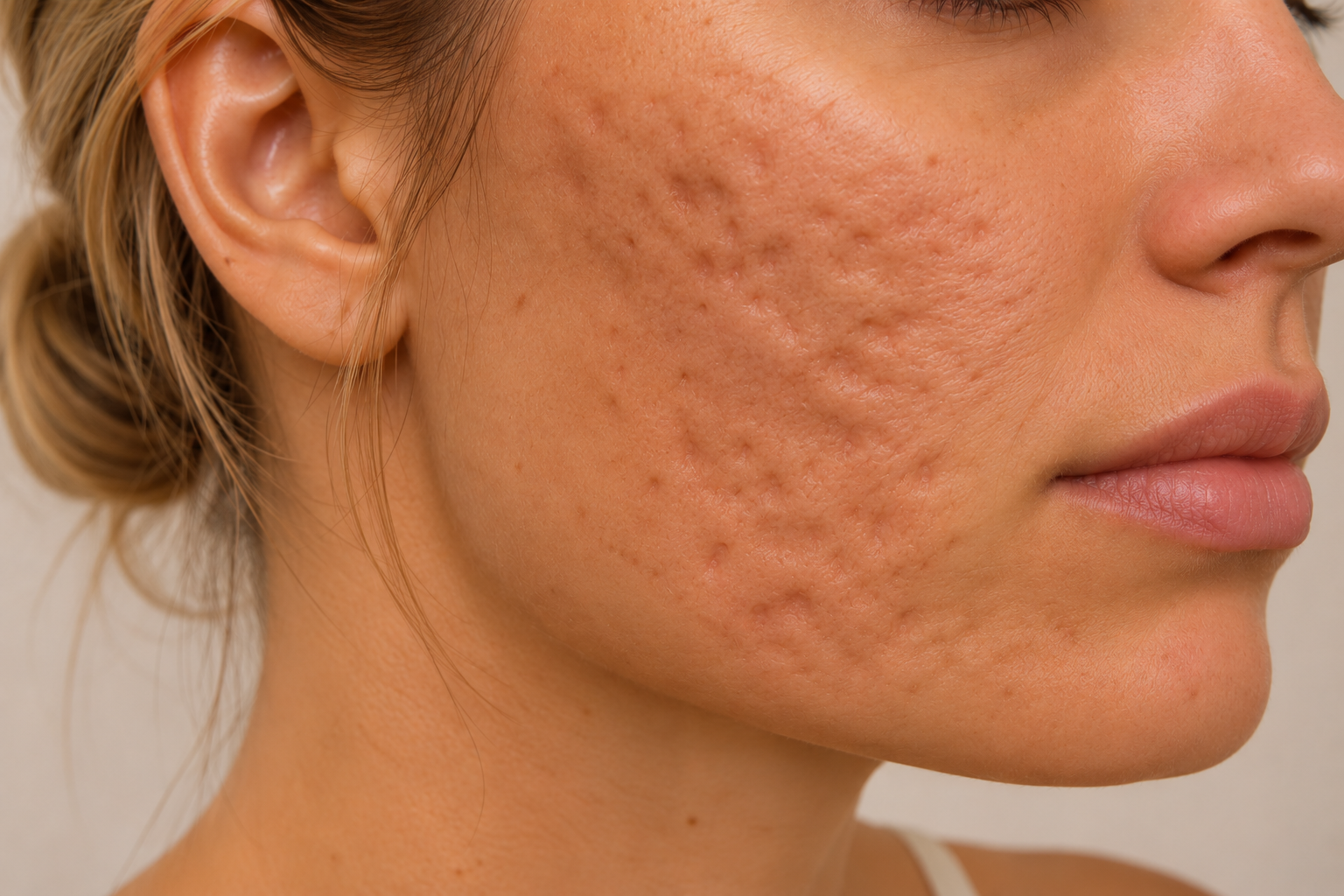
Inkless Scar & Stretch Mark Revision is an advanced, pigment-free skin revision treatment designed to improve the appearance, texture and overall quality of scar tissue and stretch marks by supporting the skin's natural healing and remodelling processes.
Unlike traditional camouflage tattooing, which uses skin-tone pigments to visually blend scars with the surrounding skin, inkless revision focuses on improving the appearance of the tissue itself.
Using specialised needling techniques, controlled micro-injuries are created within the treatment area to stimulate the skin's natural wound-healing response. This process encourages tissue remodelling and collagen production, which may gradually improve the appearance of uneven texture, visible scarring and stretch marks.
The treatment can be tailored to different types of scarring, with the aim of achieving smoother, softer and more even-looking skin over time.
For optimal results, treatment plans typically involve a course of 3–6 sessions, generally spaced 6–12 weeks apart to allow adequate time for skin recovery and collagen remodelling..
-
Supporting scalp health and healthier-looking hair through specialised microneedling treatments.
At Revision Dermal, our Hair Density Support treatments focus on improving the scalp environment through specialised, pigment-free microneedling techniques.
Hair thinning and reduced density can occur for many reasons, including hormonal changes, genetics, ageing, stress and underlying health conditions. Our approach focuses on supporting scalp health and exploring non-surgical treatment options for individuals concerned about thinning hair.
How Does Hair Density Support Work?
Using a specialised microneedling device, controlled micro-channels are created within the scalp to stimulate the skin's natural wound-healing response.
This process activates biological pathways involved in tissue repair and remodelling. Research suggests that scalp microneedling may support hair growth in certain types of hair loss, particularly when used alongside established hair-loss treatments.
Unlike scalp micropigmentation, this treatment does not involve implanting coloured pigment or creating the appearance of artificial hair follicles.
Instead, the focus is on the scalp itself and its potential to support healthier hair growth.
Who May Benefit?
Hair Density Support may be considered for individuals experiencing:
Gradual hair thinning
Reduced hair density across the scalp
Visible widening of the hair part
Early-stage pattern hair loss
Thinning around the hairline
Selected areas of reduced hair growth
Treatment suitability depends on the underlying cause of hair loss, scalp condition and individual health factors.
-
Facial Manual Lymphatic Drainage is a specialised, non-invasive therapeutic technique designed to support lymphatic fluid movement and assist in managing facial swelling and fluid accumulation.
Using precise, gentle and rhythmic movements that follow the anatomical pathways of the lymphatic system, MLD aims to encourage the movement of excess fluid from the tissues towards functioning lymphatic vessels and lymph nodes.
What Is the Lymphatic System?
The lymphatic system is an essential part of the body's circulatory and immune systems. It consists of a network of lymphatic vessels, lymph nodes and specialised organs that work together to maintain fluid balance, support immune defence and transport lymphatic fluid throughout the body.
Lymph nodes act as filtering stations, helping the immune system recognise and respond to potentially harmful microorganisms and other foreign substances.
Unlike the cardiovascular system, which relies on the heart to pump blood, the lymphatic system relies on mechanisms such as muscle movement, breathing and contractions of lymphatic vessels to transport fluid.
When lymphatic drainage is impaired or fluid accumulates within the tissues, swelling can occur.
Facial Manual Lymphatic Drainage uses specialised techniques to encourage lymphatic fluid movement through the superficial lymphatic pathways.